

22.05.2026. By Marie Harfouche
Business travel is rarely judged only by the destination.
Good corporate travel planning is judged by how people arrive, how easily they move, how focused they feel, and whether the trip supports the reason it was planned in the first place.
A corporate journey can look simple on paper: flights, hotels, transfers, meetings, dinners. But in reality, every detail affects the outcome. The wrong hotel location, a rushed transfer, an overloaded schedule, or a poorly planned evening can quietly change the tone of the entire trip.
Good corporate travel planning removes that friction before it appears.
It gives people structure without pressure, comfort without excess, and enough space to do what they came to do well.
Start With the Purpose of the Trip
When the purpose is clear, every choice becomes easier: the destination, hotel, meeting space, transport, dining, and pace of the itinerary.
The strongest corporate journeys do not begin with the question, “Where should we go?”
They begin with: What does this trip need to achieve?
When business travel is worth the time, budget, and attention
A leadership retreat needs privacy, focus, and room for honest conversation.
A client visit needs reliability, timing, and a polished impression.
An incentive trip needs to feel rewarding, not forced.
An executive journey needs discretion, speed, and calm.
When the purpose is clear, every choice becomes easier: the destination, hotel, meeting space, transport, dining, and pace of the itinerary.
It also helps define the level of support needed — from executive travel arrangements to group coordination, private transfers, meeting logistics, and on-trip assistance.
This is the difference between arranging travel and designing a business journey with intention.


Make Logistics Feel Invisible
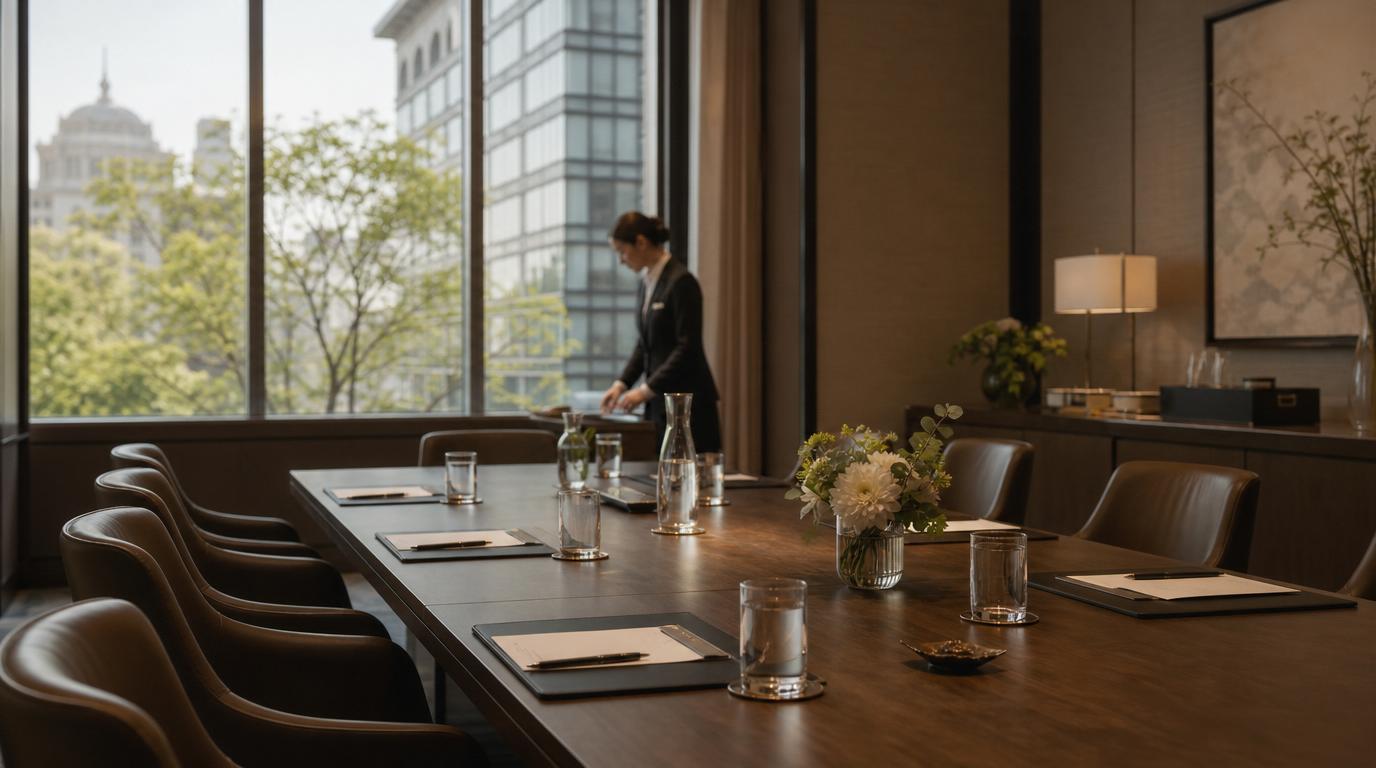
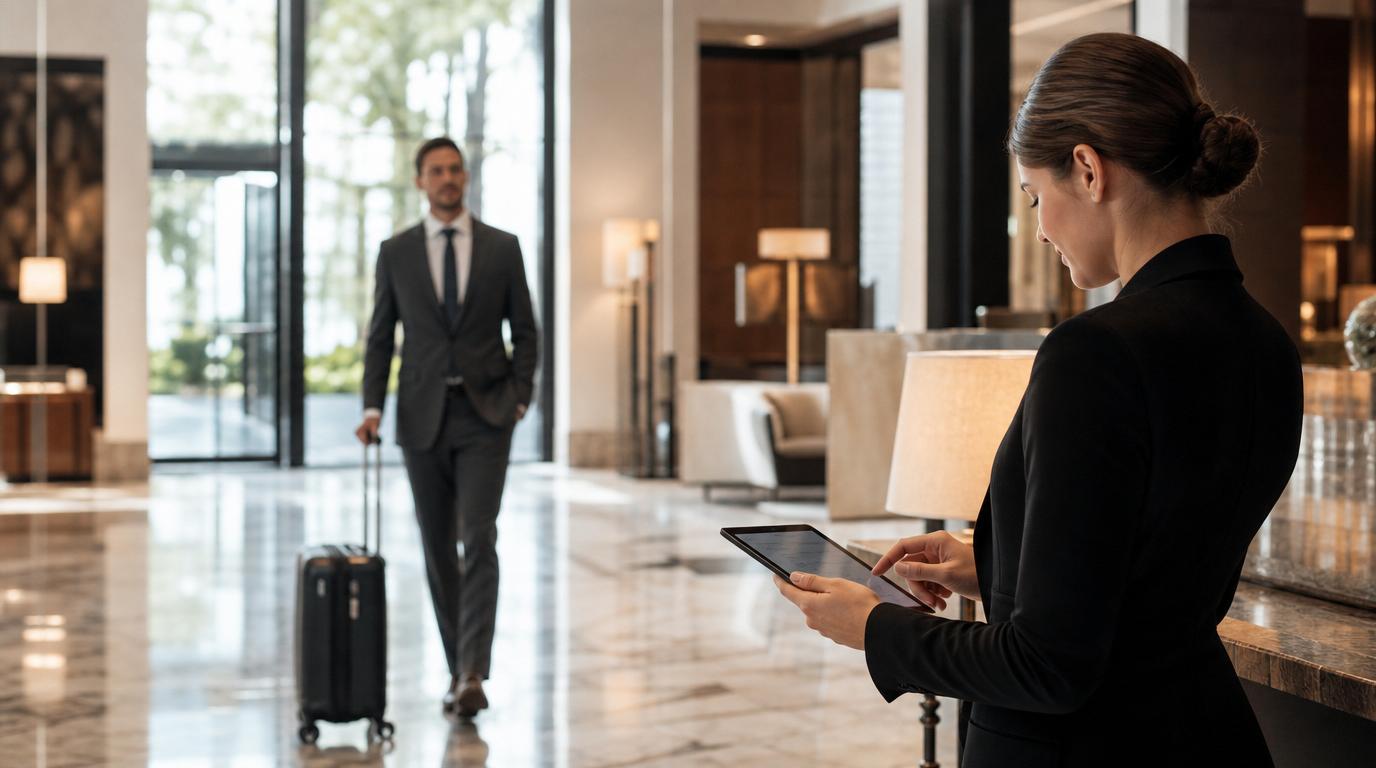
The best logistics are the ones nobody has to think about. As business travel becomes more selective, better planning matters more: companies need each trip to justify its time, cost, and effort.
Transfers happen on time. Check-ins are smooth. Meeting locations make sense. The hotel is close enough, comfortable enough, and appropriate for the people traveling. Dietary needs, private requests, group movement, and last-minute changes are already considered.
That level of planning does not happen by accident.
It comes from looking at the journey as a whole, not as separate bookings. Arrival, movement, rest, meetings, meals, and return all need to work together.
When they do, people are not distracted by the mechanics of travel. They are free to focus on the meeting, the team, the client, or the decision in front of them.
Plan Around People, Not Just Schedules
A full itinerary is not always a strong itinerary.
Corporate travel often fails when it tries to fit too much into too little time. Early arrivals, tight transfers, long meetings, late dinners, and early departures may look efficient, but they can leave people tired before the most important part of the trip even begins.
Better planning considers energy.
That may mean allowing time after arrival before the first meeting. Choosing a hotel that reduces daily movement. Keeping one evening intentionally lighter. Building in a dinner that encourages conversation, not just attendance. Adding a local experience that feels relevant to the group instead of decorative.
These details may seem small, but they shape how people feel — and how well they show up.
Let the Trip Reflect the Company
Corporate travel says something about the business behind it.
To employees, it can show that their time and comfort matter.
To clients, it can communicate preparation and professionalism.
To partners, it can create a stronger sense of trust and attention.
This is why business travel should not feel improvised.
A well-planned corporate journey does not need to be extravagant. It needs to feel considered. The standard of the trip should match the standard of the company: clear, reliable, thoughtful, and appropriate to the occasion.
Sometimes that means privacy and precision. Sometimes it means warmth and connection. Sometimes it simply means that everything works exactly as it should.
Create Moments Beyond the Agenda
Not every valuable moment in a business trip happens in the meeting room.
A quiet dinner after a long day. A well-chosen setting for a leadership conversation. A cultural experience that gives the group something shared to remember. A smooth arrival that sets the right tone before the work begins.
These moments do not have to be large. They just have to be right.
The best corporate travel understands that business outcomes are supported by human experience. People make decisions, build trust, celebrate progress, and strengthen relationships more easily when the environment around them has been thoughtfully shaped
A More Considered Way to Travel for Business
Corporate travel works best when every detail has a reason.
The right hotel.
The right timing.
The right level of support.
The right balance between agenda and atmosphere.
For companies planning executive travel, client visits, corporate retreats, incentive trips, or group experiences, this is where a dedicated travel partner can make the difference.
At Travel Story, corporate travel is shaped around purpose, people, and detail — bringing together logistics, hospitality, destination knowledge, and careful coordination for executive travel, corporate retreats, incentive trips, and group business journeys. The goal is simple: to help the trip support the business without losing the human experience behind it.
Because business travel is not only about where people go.
It is about how they arrive, what they experience, and what they carry back into the work that follows.
Plan Corporate Travel With Care
Ready to Begin Your Story?
The destination is just the beginning. Let’s create a travel experience that feels effortless, intimate, and entirely yours.